UV Filters & Ingredient Sources
Review proposed UV filters, emollients, glycerin, fragrances and other raw materials for cosmetic compliance and ingredient-origin documentation relevant to Halal assessment.
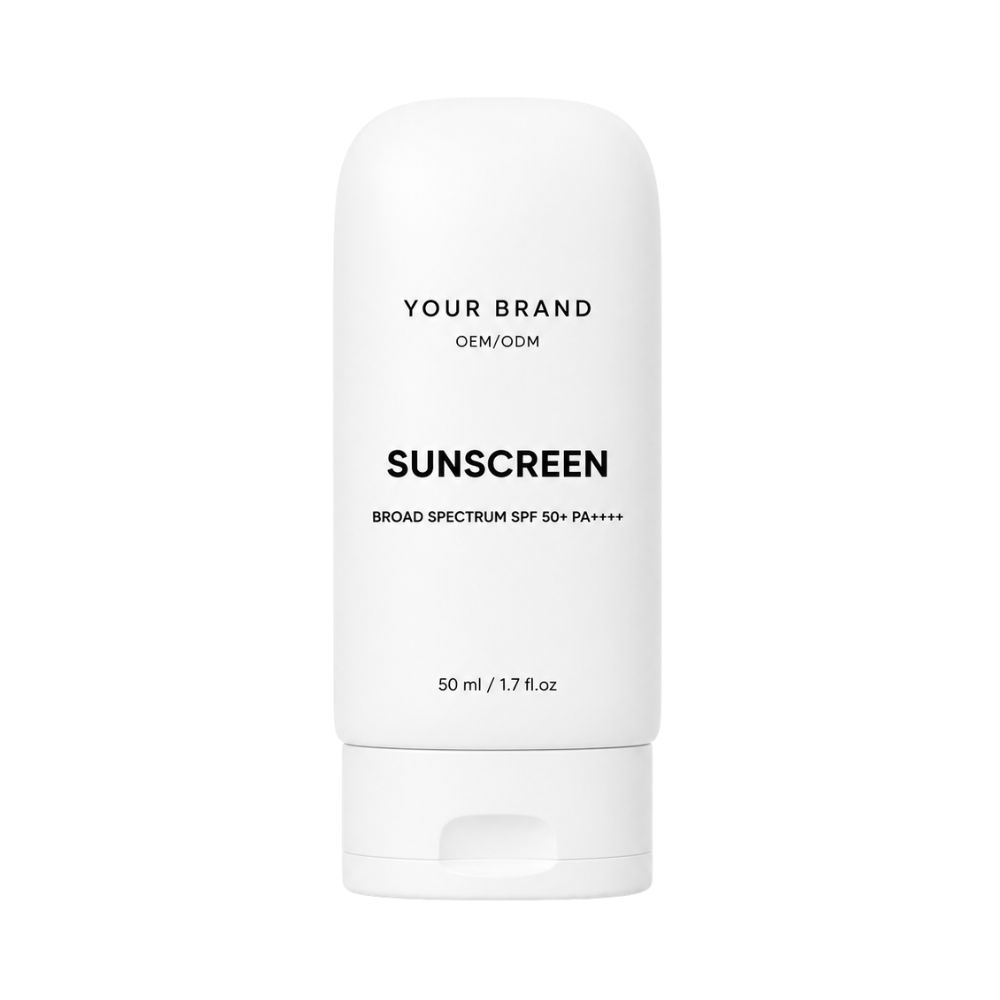
Halal Sunscreen OEM / ODM · Malaysia
Planning a private label halal sunscreen range? MM Cosmetic supports OEM/ODM product discussions, custom formulation and packaging for brands in Malaysia. Build UV filter selection, SPF testing, ingredient traceability and Halal documentation into your sunscreen brief from the start. Confirm the facility’s current certification scope and the finished product’s approval status before making any Halal claim.
Formulation, testing & traceability
Halal Sunscreen OEM Malaysia projects need more than a preferred texture or SPF number. Brand owners should consider permitted UV filters, supplier documentation, product performance testing, manufacturing scope and responsible label claims.
Review proposed UV filters, emollients, glycerin, fragrances and other raw materials for cosmetic compliance and ingredient-origin documentation relevant to Halal assessment.
Agree the intended protection level, feel and application format, then arrange suitable finished-product SPF testing and evidence for UVA and other proposed claims.
Check facility and product certification scope, supporting supplier records, NPRA cosmetic notification requirements and artwork before using Halal or SPF claims.
Private label sunscreen concepts
Explore four common directions for a private label halal sunscreen project. These are formulation concepts to discuss, not a claim that every format is already available or Halal-certified. Final feasibility, SPF performance, packaging and certification depend on the exact product.
Discuss cream or lotion textures for everyday UV protection, including finish, packaging, skin feel and the SPF target to validate through testing.
Consider a light, spreadable texture suitable for humid climates, subject to UV-filter compatibility, stability work and finished-product testing.
Ask about mineral UV-filter options, desired skin finish and ingredient documentation. Confirm technical feasibility and tested protection before selecting claims.
Explore colour and sun-protection positioning together. Evaluate shade range, pigment compatibility, stability and testing for each finished formula.
Product types are illustrative. Confirm manufacturing capability, verified SPF, the current Halal certification scope and product-specific approval before making public claims.
From brief to brand launch
For Halal Sunscreen OEM Malaysia, begin with a practical product brief: intended users, texture, UV protection goals, packaging and markets. Build in formulation trials, SPF evidence, ingredient review and Malaysian notification planning before artwork approval.
Specify the desired texture, protection target, target market, packaging concept and approximate order quantity.
Discuss UV-filter suitability, ingredient origins, documentation availability and preliminary formulation samples.
Review finished samples, stability and appropriate SPF/UVA substantiation before finalising protection claims.
Confirm NPRA notification responsibilities, applicable Halal approval and compliant label artwork before production.
Responsible sunscreen claims
Halal certification, UV protection evidence and Malaysia cosmetic notification serve different purposes. Confirm all three for the specific sunscreen formula and finished label.
MM Cosmetic lists Halal manufacturing credentials. Request current evidence and check whether your specific sunscreen formula is included in a valid product certification before using a Halal logo.
Use finished-product evidence to support your advertised SPF and relevant UVA claims. Malaysia’s sunscreen guidance does not permit misleading promises such as complete UV protection or protection lasting all day without reapplication.
Sunscreens marketed as cosmetics in Malaysia require NPRA notification. This is separate from voluntary Halal certification. Confirm the notification holder, approved ingredient limits and labelling before sale.
Good to know
Answers to common questions about private label halal sunscreen, SPF testing, ingredient review and the Malaysian launch process.
You can discuss private label halal sunscreen and custom OEM/ODM formulation with MM Cosmetic. Share your preferred sunscreen format, target audience and market. Confirm the available formulation route, current Halal certification scope, testing and quotation with the team before committing to a claim.
Common concepts include daily facial sunscreen creams, lightweight fluids or gels, mineral-based formulas and tinted sunscreens. These are development ideas rather than a confirmed catalogue; formulation feasibility, UV filters, packaging and finished-product performance must be assessed individually.
Review UV-filter inputs and supporting ingredients such as glycerin, emollients and fragrance blends, including origin and supplier documentation where relevant. The manufacturing process and current certification scope also matter for the final product’s Halal status.
No. A facility-level certificate does not automatically cover every finished sunscreen formula. Ask for the current certificate and verify whether your specific product is certified and approved before advertising it as Halal-certified.
You can specify a target SPF level in the project brief, but it is not a verified claim until the finished sunscreen has been appropriately tested. Malaysia’s NPRA sunscreen guidance requires SPF values to be substantiated and includes requirements for responsible UVA/UVB labelling.
Only when the finished product has the applicable Halal certification and logo approval. Confirm the current product-specific evidence and artwork requirements before printing; NPRA notification by itself does not authorise a Halal logo.
The minimum order quantity and price depend on the formulation route, UV-filter system, testing, packaging and order size. Ask MM Cosmetic for a sunscreen-specific MOQ, quotation and indicative development schedule rather than assuming that a general skincare MOQ applies.
Yes. Sunscreen marketed as a cosmetic in Malaysia requires NPRA cosmetic notification before sale. Notification is separate from Halal certification, and advertised UV-protection claims must be supported by appropriate finished-product evidence.
Bring your sunscreen concept to life
Tell MM Cosmetic about your sunscreen concept, preferred texture, SPF target and packaging. Discuss OEM formulation options, finished-product testing, documentation and a practical launch plan for your brand in Malaysia.